23 Sep 2026
SEBI Registered Name - Kotak Mahindra Mutual Fund | SEBI Registered Number - MF/038/98/1
What if “throw it away” is becoming outdated? A discarded bottle, a worn-out phone, a bunch of wilting flowers all have something in common. They are all finding a second life.
Every day, millions of tonnes of waste are generated around the world. In 2022, the world produced ~2.6 billion tonnes of municipal solid waste which is equivalent to ~7 million tonnes per day. And the volume is still rising, without major changes in policy and investment, global municipal waste could reach ~3.8 billion tonnes annually by 2030.
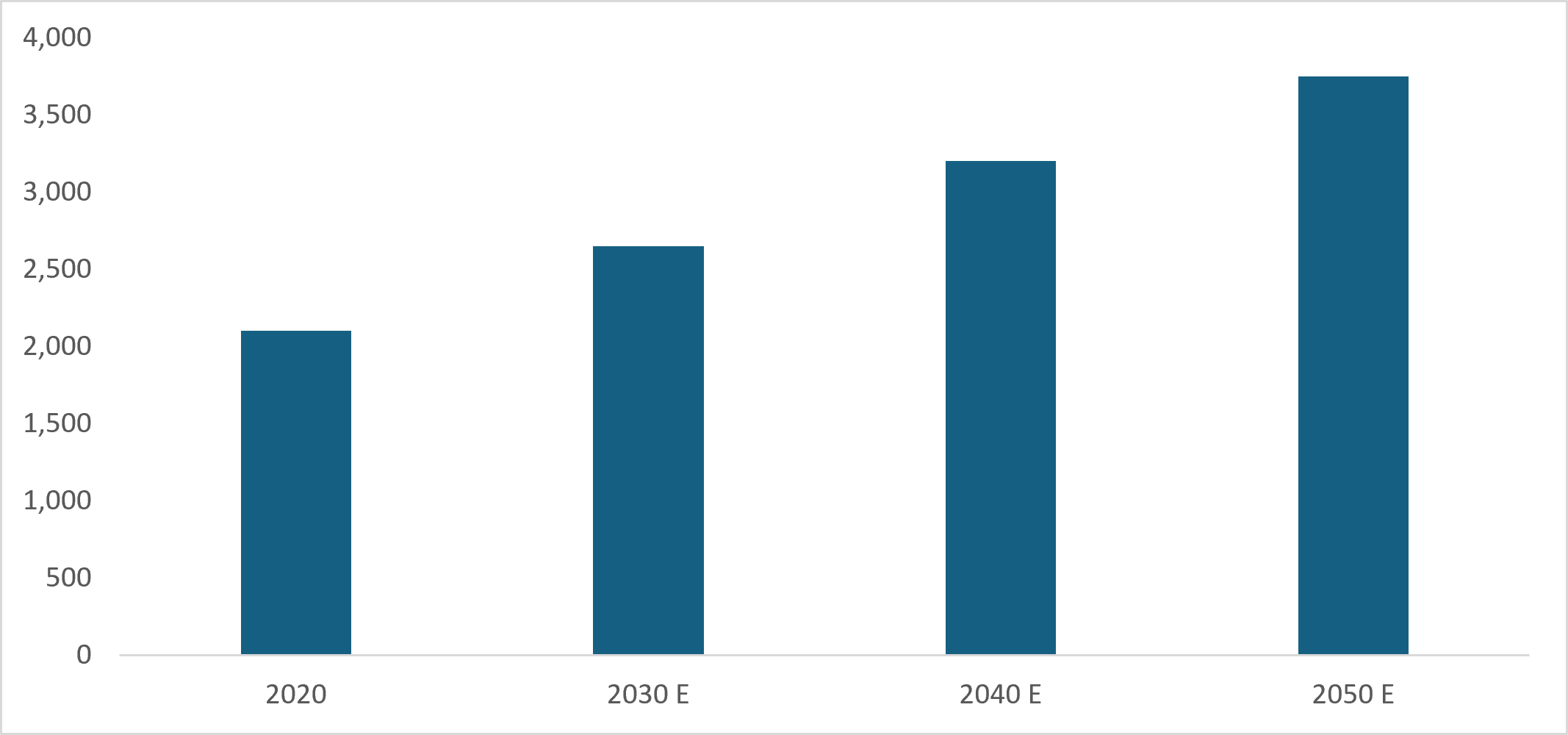
Global Municipal Solid Waste expected generation | Source: UNEP Global Waste Management Outlook, World Bank Group Article dated 28th Feb 2024 & 28th Oct 2025
India generates nearly 1.7 lakh tonnes of municipal solid waste every day around 62 million tonnes annually. Yet only 43 million tonnes are collected and just 12 million tonnes are treated, leaving the rest in dumpsites. Despite recycling’s potential, only 20–25% of municipal solid waste is recycled globally, exposing a significant gap in waste management.
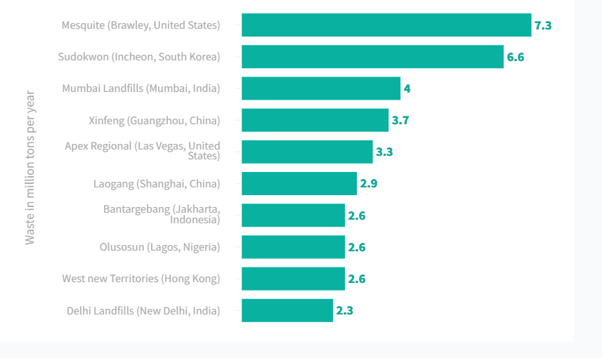
The impact is most visible in cities, where the top three landfills receive nearly 17.9 million tonnes of waste each year. Mumbai alone sends ~4 million tonnes annually, while New Delhi contributes ~2.3 million tonnes, highlighting the growing strain on urban waste infrastructure.
For years, waste was largely treated as the final stage of consumption: use, discard and forget. But that approach is changing. Recycling is increasingly turning discarded materials into secondary raw materials which creates values across collection, sorting, processing and manufacturing.
And the opportunity is far bigger than the familiar paper, plastics and glass recycling bins. From PET bottles (polyethylene terephthalate) becoming polyester fibre to old tyres becoming reclaimed rubber, used batteries returning as lead and temple flowers being turned into incense sticks, an entire ecosystem is emerging around giving waste a second life.
Source: Dhristhi IAS, Recycl3r, Gravita India , Statista, JB rPET, Helpusgreen, PIB, as per latest data available
One Waste Stream, Many Value Chains
Recycling is not one uniform process. Different materials require different collection systems, technologies and end markets, and this specialisation is creating an increasingly diverse industry.
Here is the current scenario for each of these waste streams based on the latest available data and insights. It also includes projections for future waste generation, where available.
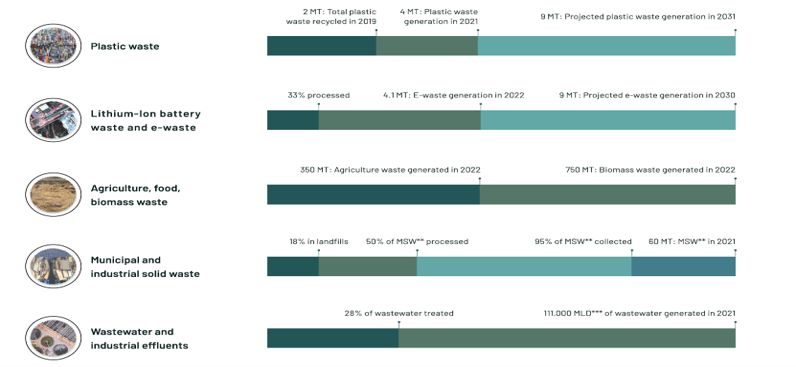
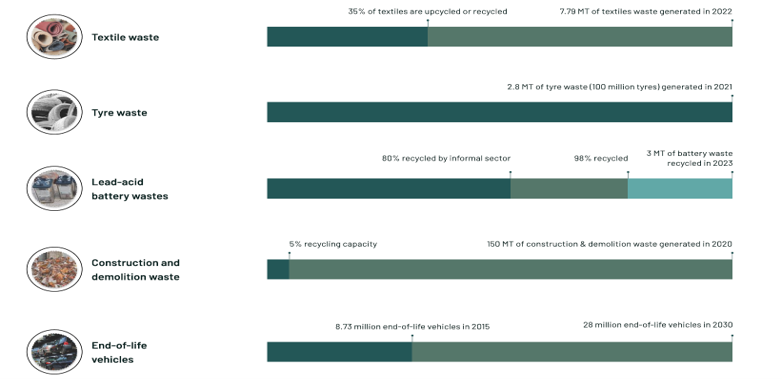
* MT: million tons ** MSW: Municipal Solid Wastes *** MLD: Million litres per day
Source: Climake, Sep 24. As per latest data available
Consider plastic, a discarded PET bottle can be collected, sorted, cleaned and processed into recycled PET which can be then used to make polyester fibre, yarn, packaging and other products. In India, this chain involves a mix of waste collectors, aggregators, recyclers and manufacturers. Companies such as Ganesh Ecosphere, Race Eco Chain, Garvita India, etc. operate across different parts PET recycling ecosystem.
Polyethylene terephthalate (PET) is one of the world’s most widely used plastics, found in bottles, food packaging, and textiles. While its durability and versatility make it indispensable, rising PET consumption has also intensified plastic waste and pollution. Recycling PET helps reduce landfill waste, conserve resources, and keep plastic out of oceans—but the industry still faces operational, economic, and infrastructure challenges that limit its scale and efficiency.
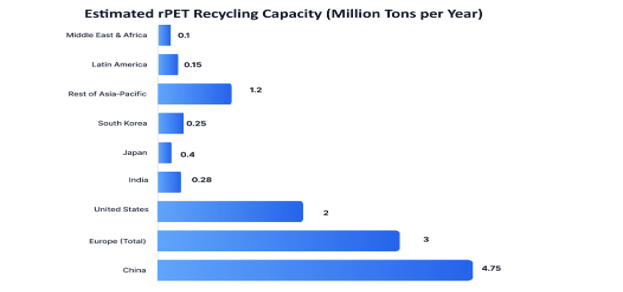
Note: rPET: Recycled Polyethylene Terephthalate | Source: Mark & Spark Solutions Article dated 27th Feb 2026
The scale is significant. PET bottle waste generation is rising across major markets creating not just a waste challenge but a growing pool of secondary raw material.
The story gets even more interesting with metals and batteries. Over 1.8 billion tonnes of scrap metal are recycled globally each year, with recycling rates of 85%+ for steel and 65%+ for aluminium. Driven largely by industrial scrap ~70% and supporting 10+ million jobs, metal recycling is now a major industrial value chain—not just waste management.
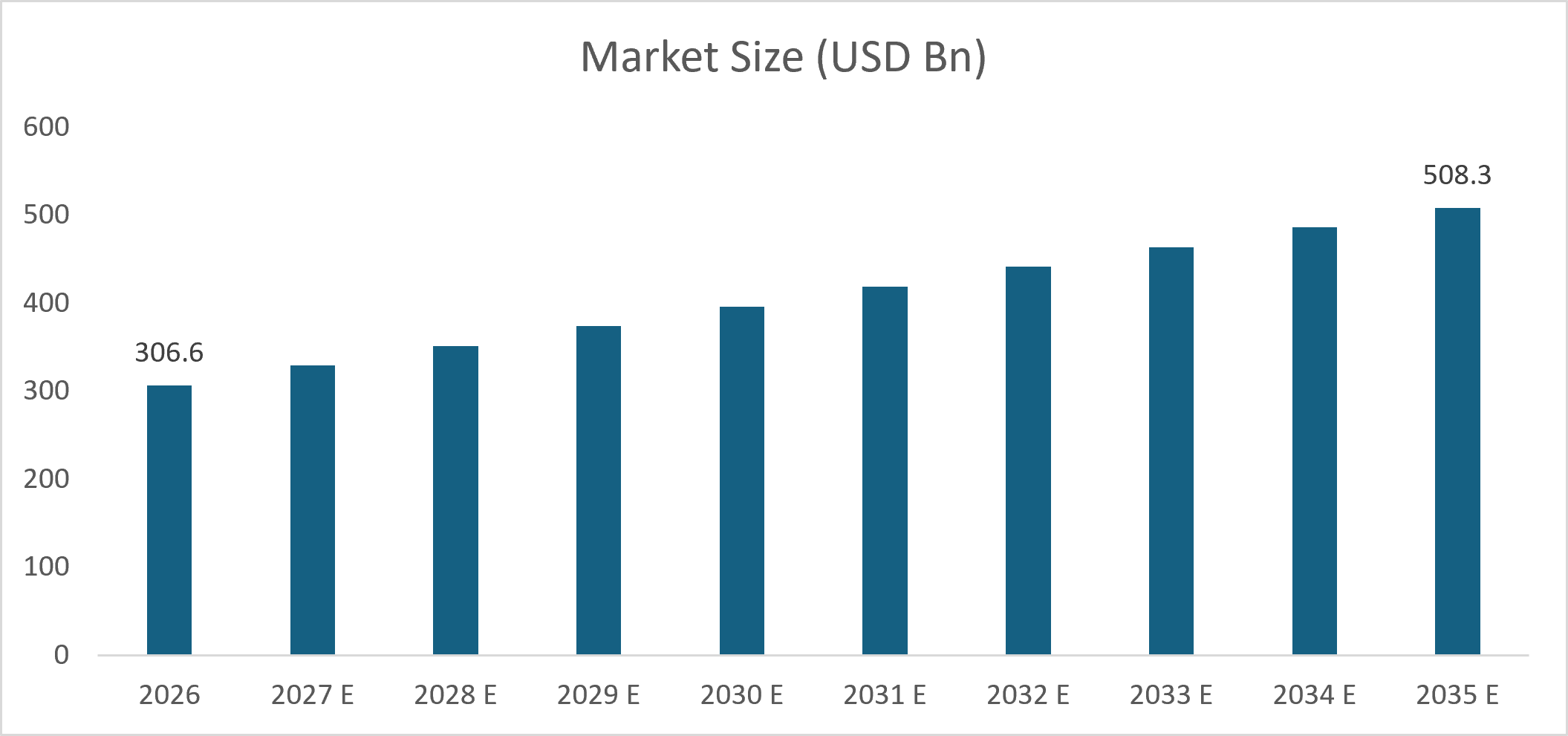
Source: Business Research Insight Article, dated 31st august 2026
Used lead-acid batteries can be recycled back into secondary lead, while newer lithium-ion batteries offer opportunities to recover materials such as lithium, cobalt, nickel and aluminium. India’s battery recycling market is projected to grow from USD 2,16 Billion in FY2024 to USD 4.56 Billion by FY 2032, a CAGR of 9.8%. It is becoming a way to recover valuable materials and put them back in production cycle.
In September 2025, the Union Cabinet approved a Rs. 1500 Crore incentive scheme to build a domestic recycling capacity for critical materials from secondary sources, including batteries and e-waste
Source: Mark & Spark Solutions, PIB Article dated January & 3rd September 2025
India’s e-waste generation grew ~72.5% in five years, reaching 1.75 million tonnes in 2023–24, but only ~43% was processed. This is creating a rapidly growing recycling opportunity, with the market projected to expand from ~USD 1.8 billion in 2026 to ~USD 3 billion by 2034.
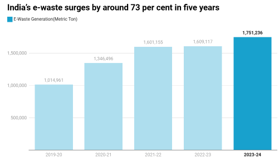
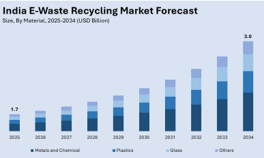
Source: Down to Earth, IMARC Article, as per latest data available
When Waste Gets A Completely Different Second Life
Recycling does not always mean turning a product back into the same material. Sometimes, the more interesting story is what it becomes next. Used cooking oil can become biodiesel, organic waste can produce biogas and compost while construction waste can be processed to recover materials for new applications.
Source: PIB Article, as per latest data available
But perhaps the most unexpected example is flower waste. At temples, ~75,000 - ~100,000 visitors a day generate ~5-6 tonnes of floral waste and other waste daily. In Hyderabad, more than 1000 kg floral waste are collected every week from temples and markets.
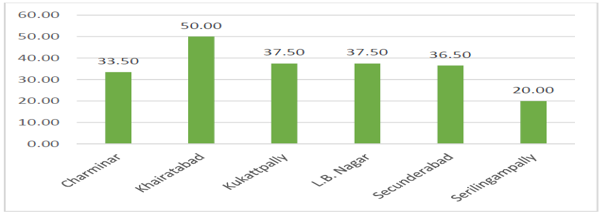
Flower waste generated in the GHMC Zones from the temple (kg/day) | Source: Asia Journal of Agricultural Extension, Economics and Sociology article dated November 2021
A 3-tonne-per-day processing plant converts this waste into products such as compost, briquettes (fuel-blocks) and biofuel while women at Shiv-Arpan Self-Help Group have produced more than 30 million incense sticks from the floral waste. The floral waste collected from markets and temples are converted not just into incense sticks but also soaps and fertilisers. Meanwhile, CSIR-CIMAP have developed technology to make eco-friendly incense sticks and fragrant cones from flowers and leaves offered at places of worship.
Source: Help Us Green & PIB Article dated Jul 2024 & Mar 2025
Crop residues, food waste and animal waste can be converted into compost, organic manure, biogas and even energy. India’s agricultural residues alone have the potential to generate more than 18,000 MW of power annually. Under GOBARdhan initiative, 979 biogas plants were operational across ~51.4% of districts as of January 2026, converting dung, crop residue and food waste into clean energy and organic manure.
The scale of the opportunity extends beyond what happens to the waste itself. Between 2018-19 and 2025-26, ~3.93 Cr was provided under Crop Residue Management Initiatives, while more than 42,000 customer hiring centres and 3. 24 lakh machines were deployed to support the residue management.
Source: PIB Article dated Feb 2026
From Disposal to a Circular Economy
All these points to a bigger shift: from a linear “take-make-use-dispose” to “stay in circulation for longer”.
India’s circulation economy opportunity is significant. According to Council on Energy, Environment and Water (CEEW), processing waste streams including plastic, organic waste, lithium-ion batteries, e-waste, end-of-life vehicles, used cooking oil, etc. could create annual market of ~11.5 trillion rupees by 2047 while generating ~8.4 million full-time equivalent jobs and attracting ~10.8 trillion rupees in investments.
The development of recycling infrastructure and EPR frameworks provide a broader structure for connecting producers, recyclers and consumers. However, the effectiveness of this model depends on factors such as waste segregation, collection processing and the demand for recycled materials.
Source: CEEW Article dated Jul 2026
The Second life of everything
A bottle can become fibre, scrap metal can become a new industrial input, an old phone can become a source of recoverable materials, food waste can become compost or biogas and flowers offered at temples can become or soaps.
The rise of recycling is therefore changing a simple perception: waste is not necessarily the end of a product’s journey.
It can be the beginning of another one.
And as the collection, system, technology, regulations and markets continue to develop, the most interesting question may no longer be “Where does this waste go?” but “what can it become next?”
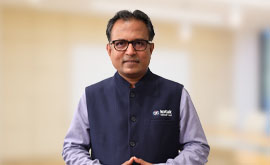
Arijit Dutta, Vice President of Equity Research at Kotak Mahindra Asset Management Company Limited (KMAMC). said, "Waste recycling is more of a necessity, given the country’s vast size and high population density, as it poses a significant health risk. With private investments coming now, focussed government intent in the form of quick regulatory and initial financial support, can bring a self-dependent recycling ecosystem."
Disclaimers: KMAMC is not guaranteeing/offering/communicating any indicative yield/returns on investments. The stocks/sectors mentioned do not constitute any kind of recommendation and are for information purpose only. Kotak Mahindra Mutual Fund may or may not hold position in the mentioned stock(s)/sector(s). Companies mentioned don’t constitute recommendation, brand name affiliation disclaimer & companies mentioned for illustrative purpose only. These materials are not intended for distribution to or use by any person in any jurisdiction where such distribution would be contrary to local law or regulation. The distribution of this document in certain jurisdictions may be restricted or totally prohibited and accordingly, persons who come into possession of this document are required to inform themselves about, and to observe, any such restrictions.
MUTUAL FUND INVESTMENTS ARE SUBJECT TO MARKET RISKS, READ ALL SCHEME RELATED DOCUMENTS CAREFULLY.