24 Mar 2026
Gilt funds are a type of mutual fund that primarily invests in government securities including bonds, treasury bills and State Development Loans (SDLs). As per regulatory guidelines, these funds are required to invest a minimum of 80% of their total assets in Government securities across maturities. This provides investors exposure to instruments issued by the Government of India, which may generally carry relatively low credit risk compared to corporate debt. However, gilt funds are market-linked and may experience fluctuations due to changes in interest rates and broader economic conditions. Understanding their structure, risks and potential features is important before investing.
Key Takeaways
- Gilt funds invest primarily in government issued securities reducing credit risk compared to corporate bonds
- Returns may fluctuate with interest rate movements and bond price changes, they are not fixed or guaranteed
- Longer maturity gilt funds are more sensitive to changes in interest rates and may experience higher short term volatility
- Useful for balancing equity exposure and achieving a more diversified debt allocation
- Fund managers adjust portfolios based on interest rate trends and macroeconomic conditions
- Can be invested via SIP to average out volatility or lump sum to potentially benefit from falling interest rates
What are Gilt Funds?
To understand what are gilt funds, they are mutual fund schemes that invest primarily in debt instruments issued by the Government of India. These schemes invest in sovereign securities such as government bonds, treasury bills and State Development Loans.
Since these instruments are issued by the government, gilt funds may generally carry lower credit risk compared to debt funds that invest in corporate securities. However this does not make them risk free as gilt fund returns can fluctuate due to changes in interest rates and market conditions.
As per SEBI regulations gilt funds are required to invest at least 80% of their assets in government securities and State Development Loans with the remaining portion invested in cash and cash equivalents.
Working Mechanism of Gilt Funds?
When the Government of India needs to raise funds, it does so by issuing debt instruments known as government securities. The Reserve Bank of India (RBI) manages the issuance and settlement of these securities on behalf of the government. Gilt funds invest in such government issued instruments as part of their investment strategy.
The market for government securities is largely dominated by banks, insurance companies and other large institutional investors. Although individual investors can invest directly, practical constraints such as investment size and market access can make this route less convenient. Gilt funds enable investors to participate in government securities through a mutual fund structure allowing access even with smaller investment amounts.
The performance of gilt funds is influenced by factors such as yield levels and interest rate movements. Bond prices and yields move in opposite directions which means changes in market yields can impact the fund’s net asset value. As a result returns from gilt funds are market linked and may vary over different periods.
Fund managers continuously track economic indicators such as inflation trends, monetary policy signals and interest rate expectations. Based on this assessment they adjust the portfolio’s maturity profile and positioning to align with prevailing market conditions.
Types of Gilt unds
SEBI classifies gilt funds into two distinct categories based on their investment structure and portfolio duration.
1. Gilt Funds
These are open ended debt schemes that invest at least 80% of their total assets in government securities across different maturities. The fund manager has the flexibility to adjust the maturity profile of the portfolio depending on market conditions and interest rate outlook.
2. 10-year Constant Maturity Gilt Fund
These are open ended debt schemes that invest a minimum of 80% of their assets in government securities and are required to maintain the Macaulay duration of the portfolio at approximately 10 years. Because of this constant long duration exposure, these funds tend to be more sensitive to interest rate movements and may experience higher short term volatility.
Potential Benefits of Investing in Gilt Funds
- Gilt funds invest primarily in government securities and therefore generally may carry relatively lower credit risk compared to debt funds that invest in corporate issuers. This characteristic may be relevant for investors who prefer exposure to potential high credit quality instruments within their debt allocation.
- Gilt funds can benefit in interest rate environments where yields are declining, as bond prices typically move upward when rates fall. However this is dependent on market conditions and should not be considered assured or consistent across time periods.
- These funds may also play a role in portfolio diversification. Because the performance of gilt funds is influenced by interest rate movements rather than corporate earnings, their return pattern may differ from equities which can help balance overall portfolio volatility when used appropriately.
For investors evaluating mutual fund based access to government securities, schemes such as Kotak Gilt Fund provide exposure through a professionally managed structure.
Key Features of Gilt Funds
- Gilt funds are required to invest a minimum of 80% of their total assets in government securities in line with SEBI’s mutual fund categorisation norms.
- Because the underlying instruments are issued by the Government of India, gilt funds generally may carry relatively low credit risk compared to debt schemes that invest in corporate bonds.
- The returns from gilt funds are market linked and can vary over time. They are not fixed or assured.
- These funds may experience short term fluctuations in value due to changes in interest rates and broader market conditions.
- Performance of gilt funds is influenced by macroeconomic factors such as interest rate movements, inflation trends and monetary policy conditions.
Risks and Limitations of Gilt Funds
Gilt funds invest mainly in government securities which may generally be free from credit risk, however they remain subject to market risks including interest rate risk.
However they carry certain market risks that investors should be aware of
1) Interest Rate Risk
The value of gilt fund units can fluctuate with changes in interest rates. A rise in interest rates may reduce the market value of government securities potentially resulting in short term negative returns.
2) Duration/Price Sensitivity Risk
Gilt funds with longer maturities are more sensitive to changes in interest rates. Large movements in rates can cause significant fluctuations in fund value even though the underlying securities are backed by the government.
3) Liquidity and Market Volatility Risk:
Although government securities are usually liquid, extreme market conditions or sudden large redemptions may temporarily affect the ease of exiting the fund or its net asset value.
Who Should Consider Gilt Funds?
They may be suitable for investors who
- Are comfortable with market fluctuations and accept that fund value may vary with interest rate movements
- Seek high credit quality investments that reduce credit related risk compared to corporate bonds
- Wish to diversify their portfolio by reducing exposure to equity while maintaining potential for debt returns
- Want to invest tactically based on interest rate trends.
Gilt funds may not be suitable for those expecting fixed, guaranteed returns since the value of units can fluctuate with changes in interest rates.
Conclusion
Gilt funds provide investors with access to government securities through a professionally managed mutual fund structure. These funds may be suitable for those seeking low credit risk investments within the debt portion of their portfolio and diversification from equity markets. While they may offer the potential for capital appreciation during falling interest rate cycles, returns are market linked and not guaranteed. Investors should consider factors such as investment horizon, interest rate expectations, fund maturity profile and risk tolerance before investing.
FAQs
1) What is a gilt fund?
A gilt fund is a type of mutual fund that invests primarily in government securities (Minimum investment in G-secs- 80% of total assets, across maturity)such as treasury bills and government bonds offering high credit safety.
2) Are gilt funds risk free investments?
Gilt funds may carry very low credit risk because they invest in government securities but they are not risk free since their returns can fluctuate due to changes in interest rates.
3) Who should invest in gilt mutual funds?
Gilt mutual funds may be suitable for investors who seek high credit safety and are comfortable with short term volatility caused by interest rate changes.
4) What is the difference between gilt funds and corporate bond funds?
Gilt funds invest only in government securities with negligible credit risk while corporate bond funds invest in debt issued by companies which can offer higher yields but carry higher credit risk.
5) Are gilt funds suitable for short term investment?
Gilt funds are generally not ideal for short term investment because their returns can be volatile in the short run due to interest rate fluctuations.
6) Do gilt funds invest only in long term government bonds?
No, gilt funds do not invest exclusively in long term government securities. As per SEBI classification, gilt funds are categorized into two types
- Gilt Funds - These invest at least 80% of their total assets in government securities across various maturities. Fund managers have the flexibility to adjust the portfolio’s maturity profile based on market conditions and interest rate outlook.
- 10-year Constant Maturity Gilt Fund - These also invest a minimum of 80% in government securities but are required to maintain a Macaulay duration of 10 years making them more sensitive to interest rate changes.
Disclaimers
Kotak Gilt Fund

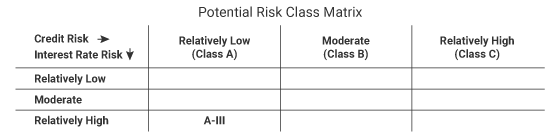
Investors may consult their Financial Advisors and/or Tax advisors before making any investment decision.
These materials are not intended for distribution to or use by any person in any jurisdiction where such distribution would be contrary to local law or regulation. The distribution of this document in certain jurisdictions may be restricted or totally prohibited and accordingly, persons who come into possession of this document are required to inform themselves about, and to observe, any such restrictions.
MUTUAL FUND INVESTMENTS ARE SUBJECT TO MARKET RISKS, READ ALL SCHEME RELATED DOCUMENTS CAREFULLY.